Improving transparency and safe working conditions in the granite kitchentops supply chain.
Countries

India

Commodity

Granite

Beneficiaries

300 workers
1900 family members
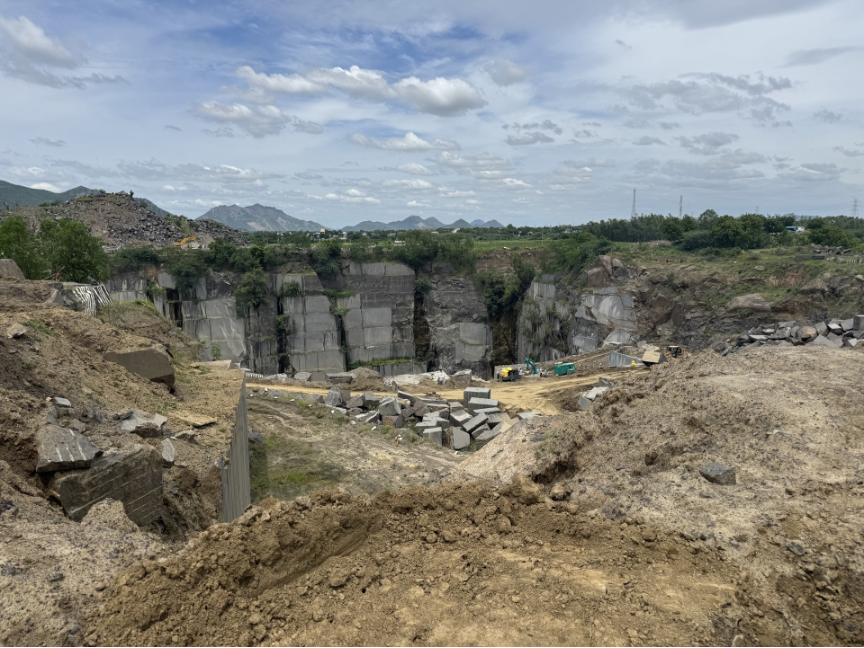
6 quarries

In collaboration with:

Arte Groep
Paradigm Shift

In the project "Improving the Livelihoods of Workers in the Granite Slab Surfaces Supply Chain from India" , we are working together with Local Impact Hub to improve the position of workers in the supply chain. Their local expertise and connecting role make them a valuable partner in achieving sustainable impact.

This project is supported by the Subsidy Program for Responsible Business, as part of TheNetherlands Enterprise Agency (RVO) and in commission of the Dutch Ministry of Foreign Affairs.

Niels van den Beucken
CEO Arte Groep B.V.
Results Driven

Key Outcomes

The project aims to create a safer, fairer, and more resilient granite supply chain in India by improving labour conditions, strengthening worker rights, increasing financial security, and embedding responsible business practices throughout the value chain.

Safer workplaces through improved occupational health and safety systems, PPE use, health checks, and safety training in factories and quarries.

Stronger labour rights protection with worker contracts, payslips, social insurance, grievance mechanisms, and worker representation structures.

Improved livelihoods and financial resilience through financial literacy, access to bank accounts, savings schemes, pensions, and social security programmes.

Better living conditions for migrant workers, including improvements in housing, sanitation, and awareness of legal rights and social protections.

Embedded responsible business practices through Human Rights Due Diligence (HRDD), Standard Operating Procedures (SOPs), monitoring systems, and stronger supply chain governance within Arte.

01

Challenges

Challenges

Challenges

  • Poor occupational health and safety (OSH) in quarries and the AARKS factory, including limited PPE use, unsafe working conditions, lack of safety training, and absence of regular health checks.
  • Weak labour rights protection, such as missing employment contracts, payslips, worker representation, grievance mechanisms, social insurance, and limited awareness of workers' rights.
  • Poor living conditions for migrant workers, particularly in quarry dormitories and sanitation facilities.
  • Limited financial resilience, with workers lacking access to banking services, savings mechanisms, health insurance, and pension schemes.
  • While child labour was assessed, it was found not to be a significant direct risk in the targeted facilities; only awareness and prevention measures will be included.
  • 02

    Our approach

    Our approach

    Our approach

  • Develop and implement Standard Operating Procedures (SOPs) on labour rights, OSH, and responsible business conduct.
  • Establish a Human Rights Due Diligence (HRDD) system and strengthen governance within AARKS and its supply chain.
  • Deliver extensive training and awareness programmes for workers, managers, and quarry operators on safety, labour rights, grievance mechanisms, gender inclusion, and worker representation.
  • Improve access to social protection, including insurance, pensions, bank accounts, and savings schemes.
  • Upgrade working and living conditions, including PPE provision, worker contracts, payslips, sanitation improvements, and complaint mechanisms.
  • Embed improvements through ongoing due diligence, monitoring, stakeholder engagement, and communication across the supply chain.
  • 03

    What we deliver

    What we deliver

    What we deliver

  • Improved labour conditions and worker safety for 60 factory workers and 90 quarry workers through training, PPE provision, OSH systems, and labour rights implementation.
  • Financial empowerment and livelihood support, including financial literacy training, access to bank accounts, savings mechanisms, insurance, and pension schemes.
  • Social sustainability improvements in the quarries, including contracts, payslips, insurance registration, worker representation, and better housing and sanitation.
  • A Human Rights Due Diligence framework, SOPs, grievance mechanisms, and monitoring systems integrated into AARKS and Arte's business practices.
  • Sector-wide awareness and communication activities, including stone passports, sustainability reporting, workshops, and stakeholder engagement to promote responsible sourcing in the granite sector.
  • 04

    Call to action

    Call to action

    Short heading goes here

    Contact us if you want to achieve a sustainable business in you supply chain, both on social and environmental impacts.

    Get Started

    Find out how we can help

    We’re the experts that can help you to improve your human rights due diligence and realise a positive outcome for people and business.